Acupuncture
What is Acupuncture?
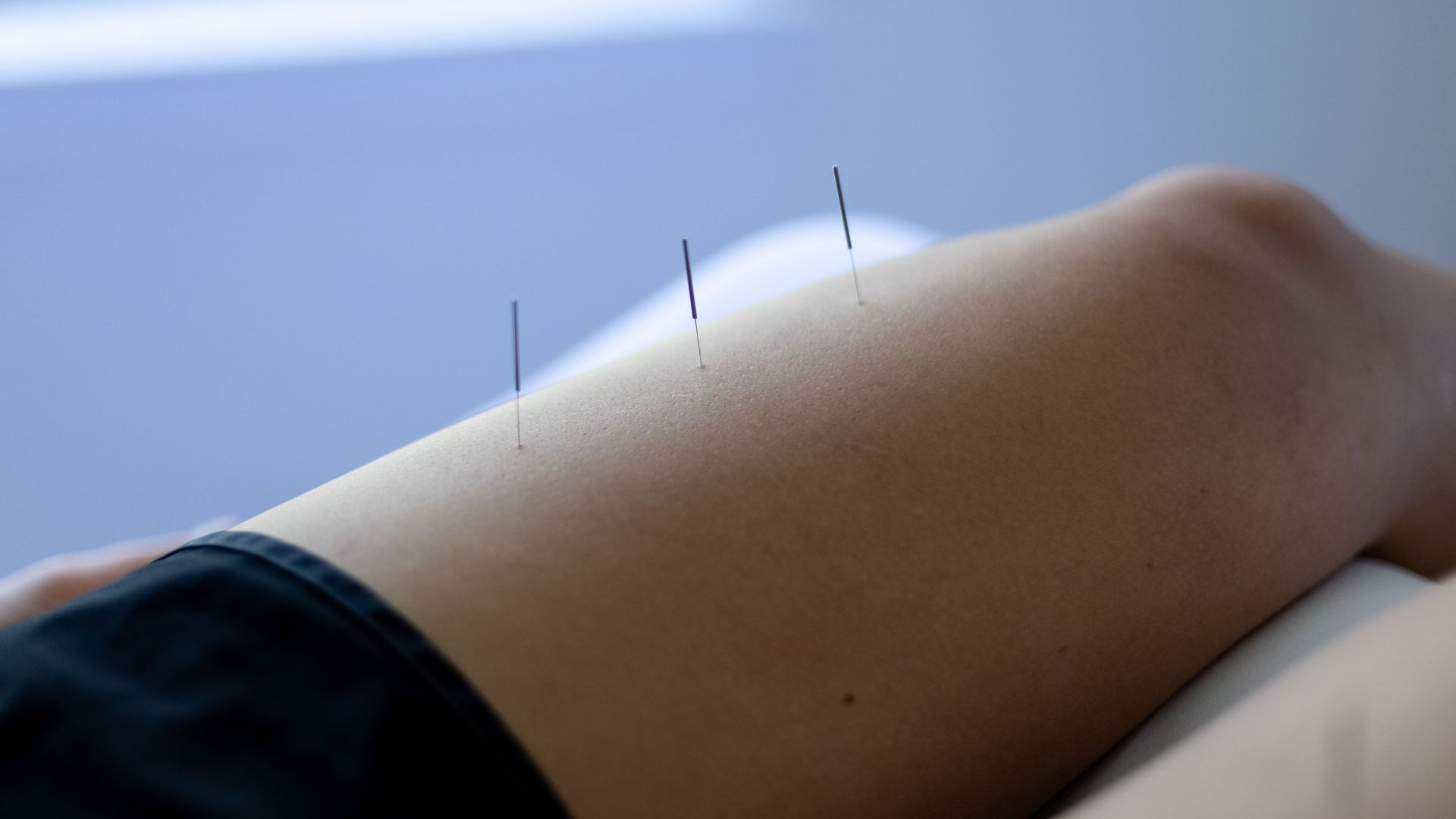
Acupuncture involves the precise insertion of sterile (one time use) needles into specific points on the body to stimulate healing and address a wide range of physical and emotional conditions. In addition to acupuncture, appointments may incorporate cupping, gua sha, ear seeds, and other TCM therapies.
Five Element Constitutional Acupuncture
Five Element Constitutional Acupuncture is a style of acupuncture that was developed by a Westerner for Western patients and practitioners to address chronic problems mixed with physical and spirit-level issues.
The foundation for this style of acupuncture was laid down over 2000 years ago and is firmly rooted in the classics of Chinese medicine. Treatment focuses on treating the patient’s ‘spirit’ (shen), illnesses caused by emotions, and utilizing preventative treatment with minimal therapeutic intervention.
One of the most important concepts in this style of medicine is that the Constitutional Factor is the primary imbalance that needs to be addressed. An individuals Constitutional Factor is identified and guides treatment.
The 5 Elements lie at the heart of diagnosis and include:
- Wood
- Fire
- Earth
- Metal
- Water
All people have all 5 elements within them, however there may be an inherited or acquired weakness that creates an imbalance.
This style of Acupuncture is unique, holistic and can provide invaluable insight for patients to maintain balance.
Dr.Okhotin has had additional training in this style of Acupuncture mentoring with Jim Dowling, who has practiced this style for over 25 years.
Hicks, A., Hicks, J., & Mole, P. (2014). Five Element Constitutional Acupuncture. St. Louis: Elsevier Health Sciences UK.
What are the side effects?
Possible side effects are generally mild and may include minor bruising or slight bleeding at needle sites, as well as temporary dizziness or lightheadedness.
Do you re-use needles?
No, needles are one-time used.
How does acupuncture work?
Acupuncture works by engaging the body’s innate regulatory and self-healing systems through targeted stimulation of specific points that influence neural, vascular, fascial, and biochemical signaling. Classical Chinese medicine describes this process as regulating the flow of qi through an interconnected channel system, called meridians, which corresponds in modern terms to functional communication pathways involving the nervous system, connective tissue planes, circulation, and biochemical signaling. At the tissue level, acupuncture affects local blood flow, inflammatory mediators, and connective tissue tension, while systemically supporting physiological homeostasis. From both traditional and biomedical perspectives, acupuncture restores balance and promotes the body’s natural ability to regulate and heal itself. The best part- it’s non-invasive, requires no medication, and can be a deeply relaxing and transformative experience.
There isn’t a simple answer to this question and we highly recommend reading the recommended books: The Acupuncture Handbook: How Acupuncture Works and How It Can Help You by Angela Hicks. The Spark in the Machine by Daniel Keown. The Web That Has No Weaver by Ted Kaptchuk.