
Soliman Auricular Allergy Treatment (SAAT)
What is Soliman Auricular Allergy Treatment (SAAT) ?
SAAT is a specialized, minimally invasive acupuncture technique designed to provide long-term relief from a wide range of allergies and sensitivities. This method involves the precise placement of a single acupuncture needle in the ear that is retained for 3-4 weeks, supporting healing for environmental sensitivities, food allergies, and alpha-gal syndrome a tick-borne disease that causes an allergic reaction to mammalian products.
Please note that not everyone is a good candidate for this treatment. There is a possibility that after the initial assessment treatment may not be indicated or preparatory treatment is indicated in case there are sensitivities to the needles or adhesives.
History & Background
In the early 1900s, French physician Dr. Paul Nogier identified that allergies could be addressed through the auricular (ear) acupuncture microsystem. Building on this foundation, Dr. Nader Soliman—who studied directly under Nogier—developed what is now known as Soliman Auricular Allergy Treatment (SAAT).
SAAT targets specific allergy zones within the ear’s microsystem that are unique to each individual. Similar to other Eastern medicine approaches, SAAT focuses on helping regulate the immune system’s overactive response to allergens.
Benefits of SAAT include:
- The procedure is simple and easy for patients
- Typically only 1–3 treatments are needed
- Minimal side effects
- Safe and minimally invasive
- Results are often long-lasting
- Many patients report significant improvement
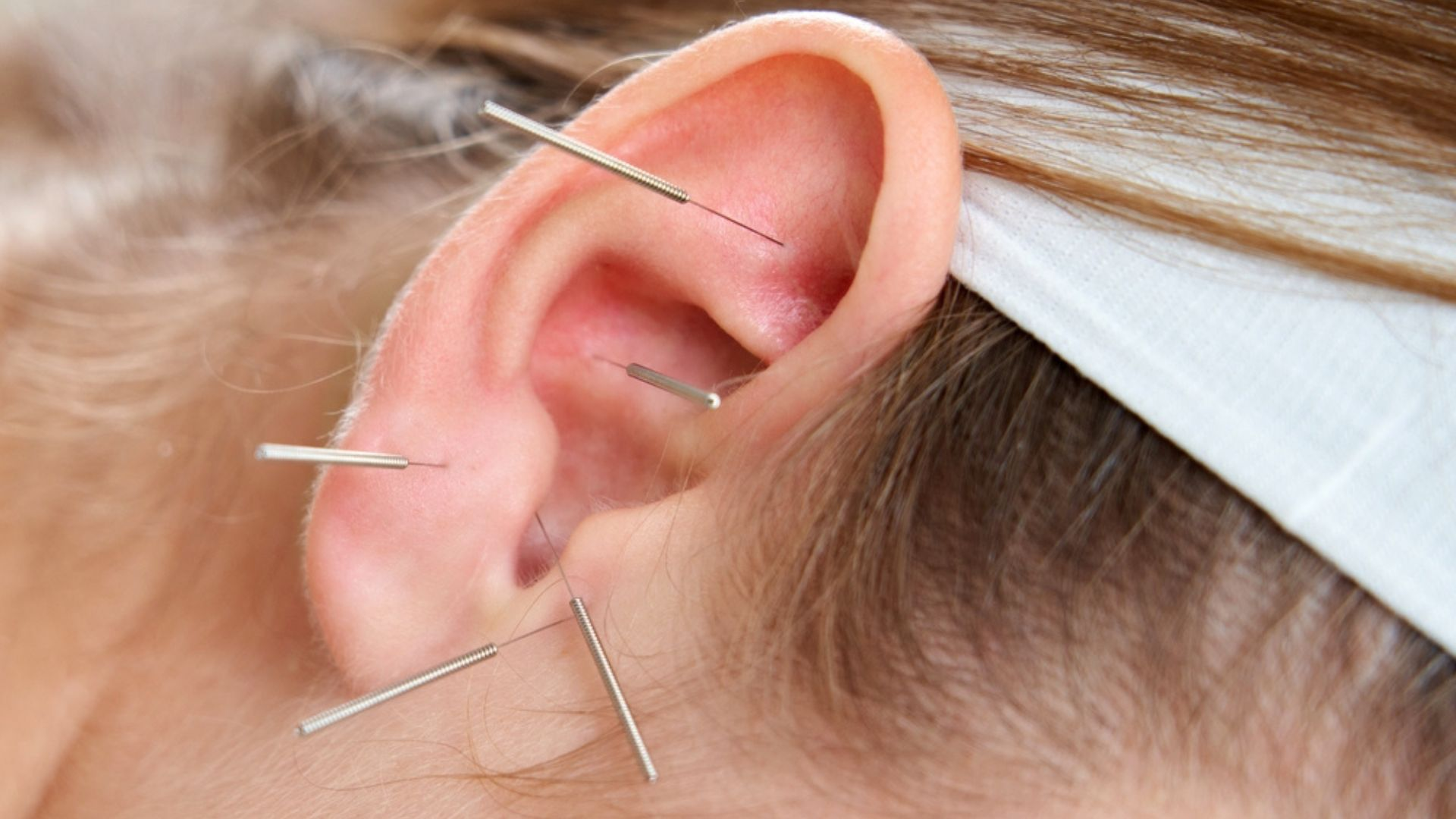
How the Procedure Is Done: SAAT involves the virtually painless insertion of a tiny, hair-thin, sterile stainless-steel acupuncture needle into the outer ear. The ear has complex neurological, embryological, and electromagnetic connections to the brain, making it an effective access point for treating a wide range of conditions.
Auricular acupuncture has been recognized by the World Health Organization as a valid medical modality.
The needle will be carefully secured so that it remains in place and continues gentle stimulation for approximately 3-4 weeks. Patients can easily remove the needle at home when instructed. Clinical observations suggest that this prolonged stimulation may help the body naturally resolve the allergy or sensitivity.
What to Expect at Your Initial SAAT Visit: Your initial SAAT appointment includes a comprehensive intake, health history review, and evaluation for underlying conditions that may affect treatment outcomes. Each individual is unique, and results can vary.
Identifying all dietary, environmental, and underlying contributors to allergies is critical for success. All patients will be evaluated for mast cell activation and histamine involvement, as these factors often need to be addressed prior to treating specific allergies. Dietary or lifestyle recommendations may also be provided to support your treatment.
A typical SAAT treatment plan includes 3–4 visits, spaced 3–4 weeks apart. However, individuals with more complex health concerns may require additional follow-up or an extended treatment plan.
SAAT Needle Aftercare Guidelines: Please review, so you are aware of the recommendations before booking an appointment
To maximize treatment effectiveness, please follow these recommendations:
Limit Water Exposure: Avoid exposing the treated ear to water for 3-4 weeks while needle is retained in ear to minimize the risk of infection or needle dislodgment. This includes sauna. You will be provided with an ear cover to use during bathing.
Avoid Allergen Exposure: Avoid to the best of your ability the allergen being treated while needle is retained.
MRI Precautions: Remove all semi-permanent needles before an MRI to prevent complications.